
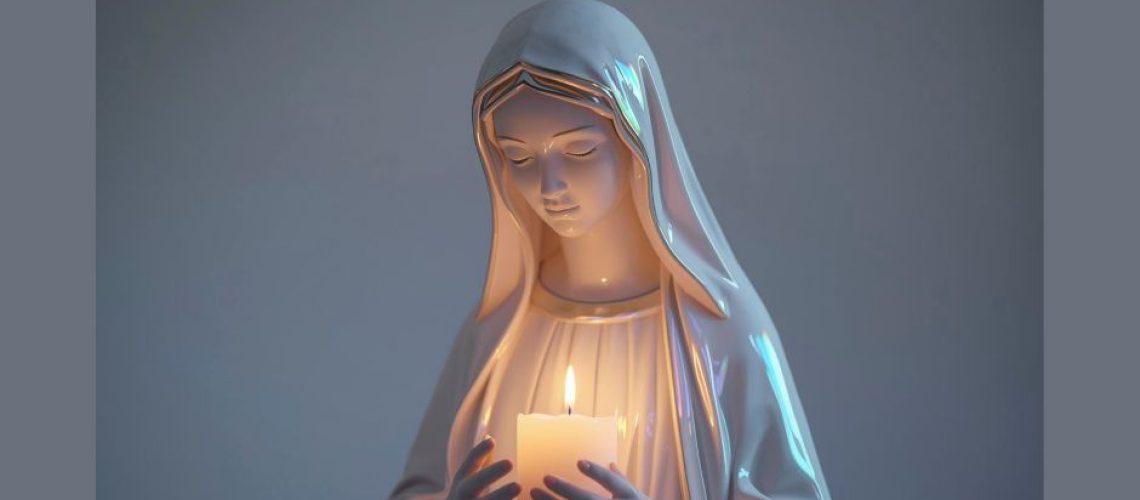
The account of the Visitation stands at the heart of Luke’s infancy narrative. It brings together two expectant mothers, Elizabeth and Mary, and their unborn children, John the Baptist and Jesus. Far from being merely a touching family visit, this encounter is a moment of divine revelation. Mary travels to the hill country not primarily to assist her elderly cousin, but to verify the truth of the angel’s message. Elizabeth’s pregnancy, now in its sixth month, is the sign given by God that nothing is impossible for him.
As Mary arrives, Elizabeth is filled with the Holy Spirit and recognises the hidden presence of the Messiah. John leaps in the womb, already fulfilling his role as the one who points to Christ. In this meeting of mothers and children, the new age of salvation begins to dawn. God’s promises are becoming reality.
The Church celebrates this Gospel on the Feast of the Assumption because it reveals the faith and discipleship that prepared Mary for her unique destiny. Elizabeth praises her as the one who believed that the Lord’s promises would be fulfilled. Mary’s greatness lies not simply in her motherhood, but in her faith-filled response to God’s call. The Assumption is the culmination of that faithful discipleship. The woman who welcomed God’s Word into her life is now welcomed into the fullness of heavenly glory.
Mary’s response is the Magnificat; a hymn rooted in the prophetic tradition of Israel. It proclaims that God’s salvation means the reversal of the present social order. The proud are scattered, the mighty cast down from their thrones, and the lowly lifted up. The hungry are filled with good things while the rich are sent away empty. God’s kingdom is a turning upside-down of human expectations, not a vote of confidence in the way the world is presently organised.
In celebrating the Assumption, we are reminded that God’s promises are trustworthy. Mary’s glorification is a sign of the future awaiting all who, like her, hear the word of God, believe it, and live it with courage and humility.
Fr Stephen Berecz