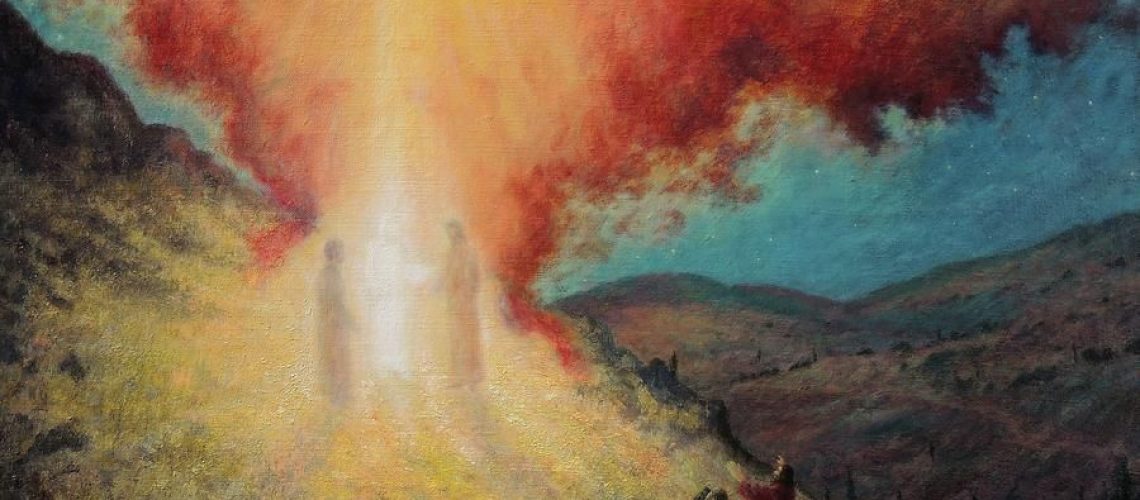
Matthew’s Gospel invites us to ascend the mountain with Peter, James, and John and to witness a moment of dazzling revelation. Jesus is transfigured before them; his face shines like the sun and his clothes become white as light. The glory that blazes forth is not something added to him from outside, but a disclosure of who he truly is. In Jesus, God begins to resume and bring to fulfilment his creative plan for humanity. The radiance of Christ is the radiance of the new creation already breaking into the old.
Moses and Elijah appear, representing the Law and the Prophets. All of Israel’s history converges on this moment. The God who once spoke on Sinai and guided his people through the wilderness now speaks again: “This is my beloved Son… listen to him.” The command to listen is crucial. Only a short time earlier, Jesus had warned his disciples that he must go to Jerusalem, suffer, be killed, and on the third day be raised. They struggled to accept a Messiah who would not claim earthly glory as a king. Peter’s instinct to build tents and prolong the experience reflects our own desire to hold onto triumph and avoid the road to suffering.
Yet the Transfiguration does not cancel Jesus’ prediction of his passion; it confirms it. The glory revealed on the mountain is inseparable from the obedience he will show in the valley. The scene directs us toward the biblical texts of the Servant of the Lord, especially in Isaiah, where the chosen one submits entirely to God’s will, even in suffering. The shining face of Christ is the face of the Servant who “sets his face like flint” toward Jerusalem.
As the disciples fall to the ground in fear, Jesus touches them: “Rise, and do not be afraid.” The vision fades, and they see “Jesus only.” This quiet ending reminds us that God’s creative renewal will unfold not through spectacle, but through faithful obedience, self-giving love, and the cross. In listening to him and following him down the mountain, we participate in the new creation he has begun.
Fr Stephen Berecz